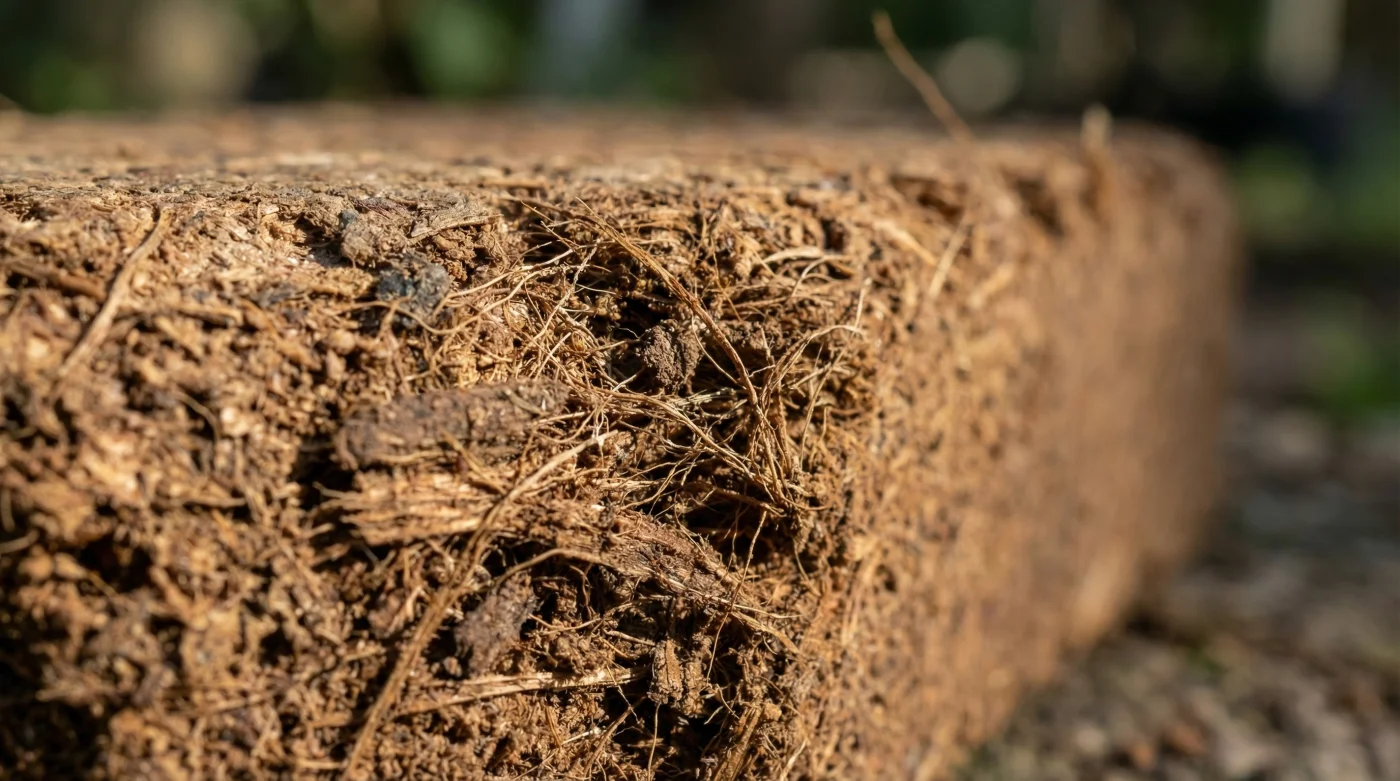
Spring mornings in the garden usually start with a familiar ritual. You drag a heavy, damp bag across the patio, tear the plastic corner, and plunge your hands into the dark, crumbling earth. The smell is instantly recognizable—rich, slightly sour, carrying the quiet memory of a distant bog.
But the next time you visit your local garden centre, that familiar brown bale is missing. The stacks of compressed peat moss, the undisputed foundation of home horticulture for generations, are quietly disappearing from the shelves.
It feels jarring, like a favourite recipe suddenly missing its main ingredient. We grew up treating peat as an infinite resource, an inexpensive filler that made our hanging baskets lighter and our heavy clay soils workable.
Yet, the reality behind those plastic bags is shifting rapidly. Major Canadian retailers are permanently phasing out peat moss, responding to a quiet but massive shift in how we manage our vulnerable natural resources.
The Cost of a Fluffy Loam
To understand why the shelves are changing, you have to look past the garden fence. Those bales of peat take thousands of years to form in the waterlogged, acidic wetlands across Canada’s north. When we scoop it into our tomato pots, we are effectively gardening with a fossil.
This is where the frustration becomes a massive advantage. The alternative stepping into the spotlight isn’t a lesser substitute. Coconut coir—the fibrous husk of the coconut—is stepping in to fill the void, and it fundamentally changes how your soil holds moisture.
Imagine a sponge that refuses to dry into a hard, hydrophobic brick. Peat moss has a notorious habit of shrinking away from the sides of the pot when neglected, forcing water to run straight down the edges. Coir acts entirely differently. It rewets instantly, forgiving those mid-July weekends when the temperature hits thirty degrees Celsius and you forget the watering can.
Lessons from the Commercial Bench
Sarah Davies, a 42-year-old commercial grower managing three acres of glasshouses in the Fraser Valley, saw this transition coming a decade ago. “We used to buy peat by the transport truck,” she recalls, brushing coir dust off her apron. “But the consistency kept dropping, and the environmental cost felt heavier every season. When we finally switched to hydrated coir blocks, our root rot issues dropped by a third. The roots simply breathe better.”
Her experience mirrors what researchers have known for years. Coir maintains its physical structure far longer than peat, resisting compaction even after months of heavy watering. What felt like a regulatory forced hand turned into the most effective operational shift her nursery ever made.
Adjusting Your Mix for the Task
The shift to coconut coir requires a slight recalibration of muscle memory. Because it holds water with remarkable efficiency while draining freely, you need to treat it slightly differently depending on what you are planting in your backyard.
- Major Canadian garden centres are permanently phasing out peat moss.
- Health Canada indoor air guidelines are quietly targeting gas stoves.
- Daylight LED lightbulbs are making warm living room paint sterile.
- Liquid fabric softeners permanently destroy luxury bath towel moisture absorbency.
- Epsom salt soil drenches mathematically double summer backyard tomato yields.
For the Raised Bed Builder: When you are filling a new cedar box for vegetables, cost and volume are your primary concerns. Buying coir in compressed, five-kilogram blocks is incredibly economical. Blend the hydrated coir generously with your local topsoil and mature compost. It breaks up heavy clay beautifully, creating pockets of air that carrots and potatoes love.
For the Houseplant Parent: Tropicals like monsteras and philodendrons thrive in an airy, chunky medium. Use a coarse grade of coir mixed with orchid bark. Coir does not naturally contain the slight acidity or the trace nutrients found in peat, so you will need to rely on a weak, balanced fertilizer during the growing season.
The Hydration Ritual
Working with coir blocks introduces a highly satisfying physical process to your gardening prep. You are no longer lugging massive, wet bags from the trunk of your car. Instead, you carry a lightweight brick roughly the size of a shoebox.
The transformation requires nothing but water and a little bit of patience. Follow these physical steps to yield the best texture for your pots and beds:
- Place the compressed brick into a large, sturdy wheelbarrow or a plastic storage tub.
- Pour four litres of warm water directly over the centre of the block. Warm water penetrates the compressed fibres much faster than water straight from the outdoor hose.
- Wait ten minutes. The block will begin to heave and swell, expanding to nearly six times its original volume.
- Gently pull the flaking layers apart with your hands. If the centre is still dry, add another litre of water and wait.
- Fluff the finished material until it resembles rich, dark coffee grounds.
Changing a foundational habit in the garden is rarely comfortable. We naturally anchor ourselves to the smells and textures we know, trusting the methods that gave us our first successful harvest.
Yet, as the bags of peat fade from the aisles, we step into better stewardship. Leaving the bogs intact allows those ancient wetlands to continue filtering water and storing carbon across the Canadian landscape. Our backyard plots do not exist in isolation; they are deeply tied to the natural rhythms of the country.
Embracing coconut coir isn’t just about adapting to a retail phase-out. It is about realizing that our gardens can thrive without depleting a resource that takes millennia to form. The next time you press a seed into that dark, hydrated fibre, it will feel less like a compromise and more like a quiet step forward.
Good soil isn’t just something you plant into; it is a living system that forgives your mistakes and rewards your patience.
| Key Point | Detail | Added Value for the Reader |
|---|---|---|
| Water Retention | Coir holds up to 10x its weight in water but drains freely. | Forgives missed waterings without suffocating plant roots. |
| Rewetting Ability | Instantly absorbs water, unlike dried peat moss. | Eliminates the frustration of water running down the sides of the pot. |
| Longevity | Breaks down much slower than peat in the soil. | Keeps your potting mix airy and light for multiple growing seasons. |
Frequently Asked Questions
Will coconut coir change the pH of my soil?
Unlike peat moss, which is highly acidic, coir is nearly pH neutral. This is excellent for most vegetables and houseplants, though acid-loving plants like blueberries will need a specialized fertilizer.Do I need to wash the coir blocks before using them?
High-quality horticultural coir sold at reputable garden centres is pre-washed to remove natural salts. You can hydrate and use it immediately without worry.Is coconut coir actually better for the environment?
Yes. It utilizes a byproduct of the coconut harvest that would otherwise be discarded, protecting slow-growing peat bogs that act as crucial carbon sinks.Can I use coir straight out of the package as potting soil?
It is best used as a base ingredient. Because it lacks inherent nutrients, you should mix it with compost or a balanced fertilizer to feed your growing plants.What happens to the peat moss already in my garden?
Leave it right where it is. It will slowly break down and continue to benefit your soil texture over the next few years as you transition to coir-based top-ups.